
Colorado Springs, Colorado, United States, 4th Sep 2026 - When clearing out unwanted belongings, many homeowners assume that professional junk removal companies can take almost anything. However, there are certain items that most companies cannot legally or safely remove. Understanding what items are excluded can help you prepare properly, avoid delays, and find the right disposal options for restricted materials.
Junk removal services are designed to make decluttering easier by handling furniture, appliances, yard waste, construction debris, and other common household items. However, hazardous materials, regulated waste, and certain specialty items often require different handling methods. Knowing these limitations before scheduling a pickup can save time and prevent unexpected issues during the removal process.
Hazardous Materials That Require Special Disposal
One of the biggest categories that junk removal companies typically cannot accept is hazardous materials. These items can create safety risks for workers, homeowners, and the environment if they are transported or disposed of incorrectly. Because of strict regulations, many removal companies are not licensed or equipped to handle dangerous substances.
Common hazardous materials include gasoline, propane tanks, paint thinner, pesticides, chemicals, and certain cleaning products. Even small amounts of these materials can create fire, contamination, or health risks during transportation. For this reason, they usually need to be taken to specialized recycling centers or hazardous waste collection facilities.
Batteries are another item that may have restrictions depending on their type and condition. Some companies may accept small household batteries, while others may require customers to use designated recycling programs. Large automotive batteries often need specialized handling because they contain chemicals that can harm the environment.
Chemicals, Paint, and Other Toxic Substances
Many people are surprised to learn that leftover home improvement supplies are often not accepted by removal companies. Items such as old paint cans, solvents, adhesives, and chemical cleaners can contain ingredients that require careful disposal. These products may not be suitable for standard landfills because they can leak harmful substances into soil and water.
Old paint is one of the most common items homeowners want to remove during cleanouts. While empty and completely dried paint cans may sometimes be accepted, liquid paint usually requires a different disposal process. Many communities offer paint recycling programs where residents can safely drop off unused products.
Other restricted items may include pool chemicals, fertilizers, insecticides, and automotive fluids. These substances can be dangerous when mixed together or exposed to heat during transportation. Professional crews must follow safety guidelines, and many general removal companies do not have the permits needed to handle them.
Medical Waste and Biohazard Materials
Medical waste is another category that most junk removal companies cannot handle. Items that may contain blood, bodily fluids, or infectious materials require specialized disposal procedures. Regular removal trucks and equipment are not designed to safely transport these types of waste.
Examples of restricted medical materials include used needles, syringes, contaminated bandages, and certain healthcare equipment. These items can pose serious risks if they are accidentally exposed to workers or other people. Medical facilities and individuals who use medical supplies at home must follow specific disposal requirements.
Prescription medications may also require special handling. Instead of placing unused medications in regular trash, residents should look for approved medication take-back programs. These programs help prevent accidental poisoning, misuse, and environmental contamination.
Some healthcare-related equipment may be accepted if it is clean and does not contain hazardous components. However, customers should always confirm acceptance before placing medical items with regular household junk. A quick conversation with the removal provider can prevent problems and ensure all materials are managed responsibly.
Items Containing Refrigerants or Hazardous Components
Large appliances are commonly removed during home cleanouts, but certain appliances may have restrictions. Items such as refrigerators, freezers, and air conditioning units often contain refrigerants that require proper recovery before disposal. These chemicals can harm the environment if released into the atmosphere.
Many older appliances contain components that cannot simply be thrown away with regular waste. Removal companies may only accept these items if they have access to proper recycling facilities or certified disposal partners. In some cases, homeowners may need to contact appliance recycling programs directly.
Electronics can also create challenges because many devices contain materials that require responsible recycling. Televisions, computer equipment, and other electronics may contain metals, batteries, or internal components that should not enter traditional waste streams.
Before arranging a pickup, check whether your appliances or electronics have special requirements. Some providers offer recycling solutions, while others may recommend local programs that specialize in electronic waste. Planning ahead helps avoid confusion and ensures unwanted items are handled correctly.
Vehicles, Tires, and Large Automotive Parts
Many people assume that any unwanted item around their property can be removed, but vehicles and automotive parts often fall outside standard junk removal services. Cars, motorcycles, boats, and trailers usually require specialized towing or recycling services because of their size, weight, and legal requirements.
Tires are another common restricted item. Old tires can create environmental concerns because they take up significant landfill space and can collect water, creating breeding areas for insects. Many regions have specific tire recycling programs designed to process them properly.
Large automotive components such as engines, transmissions, and fuel tanks may also require special handling. These parts can contain fluids and materials that need to be removed before recycling. Standard removal crews may not have the equipment or certifications needed for these jobs.
If you need to dispose of a vehicle or automotive materials, contacting a specialized service is usually the best option. These providers understand the legal requirements for ownership documents, transportation, and recycling procedures.
Weapons, Explosives, and Unsafe Items
Safety concerns also prevent many junk removal companies from accepting weapons, ammunition, explosives, or other dangerous items. These materials create serious risks during transportation and disposal. Even old or damaged items may still be dangerous if handled incorrectly.
Examples include firearms, fireworks, ammunition, and certain types of equipment containing explosive components. These items should never be placed in regular trash or left with general household waste. Specialized agencies or local authorities can provide guidance on safe disposal methods.
Construction materials can sometimes include unsafe objects as well. Items such as unstable structures, heavily damaged equipment, or materials with hidden hazards may require additional evaluation before removal.
A professional removal team prioritizes worker safety and follows strict guidelines regarding prohibited items. If there is uncertainty about whether something is acceptable, customers should ask before scheduling service.
Items That May Require Special Arrangements
Some items are not always prohibited but may require advance notice, extra equipment, or special preparation. Large safes, oversized machinery, pianos, hot tubs, and extremely heavy objects often fall into this category. These items may need additional workers, specialized tools, or specific transportation methods.
While many junk removal companies can handle bulky items, they need accurate information before arriving at the property. Providing details about size, location, accessibility, and condition helps the team prepare properly.
Certain locations can also affect whether an item can be removed. Items located in difficult areas, such as upper floors without elevator access or areas with limited entry space, may require additional planning. Safety is always the main concern when handling large or heavy objects.
Homeowners should avoid assuming that every large item can be removed immediately. A quick consultation with the service provider can clarify available options and prevent unexpected complications.
How to Prepare Items Before Scheduling Removal
Knowing what companies do not accept is only one part of preparing for a successful cleanup. Homeowners can make the process easier by sorting items before the removal appointment. Separating restricted materials from regular household junk helps crews quickly identify what can and cannot be taken.
Start by creating different categories for furniture, appliances, recyclables, donations, and specialty items. Items that require special disposal should be placed separately so they are not accidentally included with approved materials.
It is also helpful to check local regulations before removing certain products. Communities often have collection events or recycling programs for items that professional removal companies cannot transport.
Clear access to the items being removed is another important step. Make sure pathways are open and that large objects are easy for the crew to reach. This reduces the risk of damage and helps complete the job faster.
Conclusion
Knowing what items junk removal companies will not take helps homeowners plan their cleanouts more effectively. Hazardous chemicals, medical waste, certain appliances, automotive materials, and dangerous items often require specialized disposal methods. Preparing these items separately ensures safety and prevents removal delays.
For residents needing dependable cleanup solutions, Junk Removal Colorado Springs provides professional services throughout Colorado Springs. The team can help remove approved household clutter, furniture, yard debris, and other unwanted items while guiding customers on proper disposal options for restricted materials.
Whether you are clearing a home, preparing a property for sale, or simply creating more space, professional assistance can make the process easier. Call 7196314285 to learn more about available junk removal services and schedule your cleanup today.
https://www.podomatic.com/podcasts/amberthompson192podcast/episodes/2026-08-24T08_31_31-07_00
https://www.spreaker.com/episode/what-items-will-junk-removal-companies-not-take–74648328
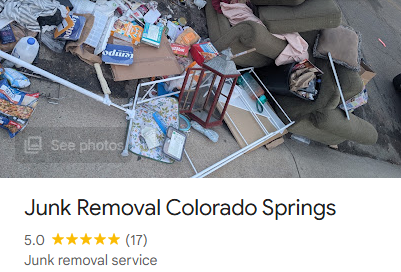
Junk Removal Colorado Springs
+17196314285
http://www.junkremovalcoloradosprings.com/
Media Contact
Organization: Junk Removal Colorado Springs
Contact Person: Junk Removal Colorado Springs
Website: http://www.junkremovalcoloradosprings.com/
Email: Send Email
Contact Number: +17196314285
Address:985 Pico Pt, Colorado Springs, CO 80905
Address 2: United States of America
City: Colorado Springs
State: Colorado
Country:United States
Release id:48774
The post What items will junk removal companies not take appeared first on King Newswire. This content is provided by a third-party source.. King Newswire is a press release distribution agency. We do not accept any responsibility or liability for the accuracy, content, images, videos, licences, completeness, legality, or reliability of the information contained in this article. If you have any complaints or copyright concerns related to this article, please contact the company listed in the ‘Media Contact’ section above.
